
A good general contractor can make a remodel feel organized instead of chaotic. But hiring a GC does not replace the need for a clear plan. In fact, the better your scope is before you hire, the easier it is for a contractor to price, schedule, coordinate, and build the right project.
That distinction matters. Homeowners often think the contractor’s first job is to “tell me what this costs.” A stronger starting point is to understand what a general contractor actually does and what information they need in order to do it well.
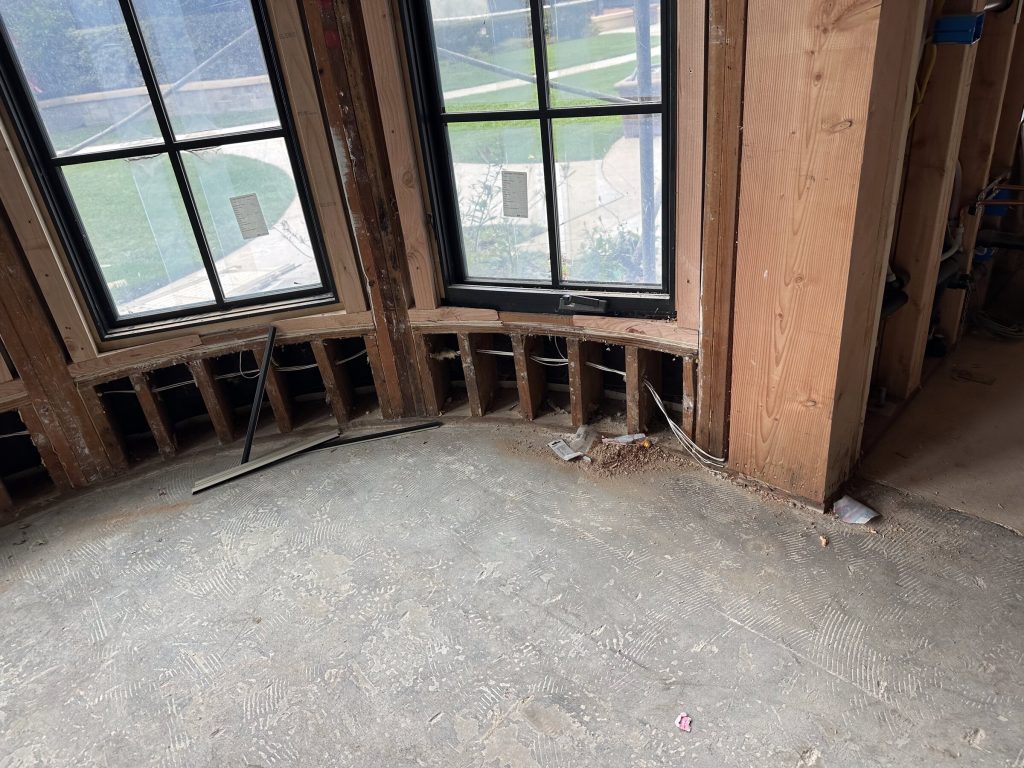
The GC Is the Project Organizer
A general contractor is responsible for organizing the work. That usually includes scheduling trades, coordinating materials, communicating with subcontractors, managing jobsite conditions, tracking progress, handling inspections, reviewing changes, and keeping the project moving toward completion.
On a remodel, that role is especially important because the work is happening inside an existing house. Existing conditions, occupied spaces, access limitations, dust control, utility shutoffs, deliveries, and homeowner decisions all have to be managed while the work is underway.
A GC Needs a Scope to Manage
A contractor can walk through your home and offer ideas, but a meaningful proposal still depends on scope. What rooms are included? Are walls moving? Are plumbing or electrical systems changing? Are cabinets custom, semi-custom, or off the shelf? Are permits required? Are fixtures selected, or are they allowances?
If those questions are not answered, the contractor has to fill in the blanks. Different contractors will fill them in differently, which is why vague scopes produce confusing bids.
That does not make contractors bad. It means residential construction often asks contractors to estimate before homeowners have been helped through the planning work that would make the estimate reliable.
What a Good GC Should Help Clarify
A strong general contractor should help identify gaps and risks in the project before they become expensive. That may include:
- scope items that are missing from drawings or notes
- allowances that are too low for the finish level you want
- sequencing issues that may affect schedule or livability
- trade work that needs engineering, permits, or inspections
- product selections that need to be made earlier than expected
- parts of the proposal that should be clarified before signing
The goal is not to make the proposal longer for the sake of paperwork. The goal is to reduce assumptions.
What a GC Does Not Automatically Solve
A general contractor does not automatically know your priorities, your comfort level with disruption, your true budget ceiling, your long-term plans for the house, or which tradeoffs feel acceptable to you. Those are homeowner decisions.
A GC may help you make those decisions, but the process is stronger when you have already defined the outcome you want and the scope you are trying to price.
That is why MBA separates planning from construction. The planning work helps you understand what you are asking contractors to build before the sales process starts shaping the project.
When You Probably Need a General Contractor
You are more likely to need a general contractor when the project involves multiple trades, permits, structural changes, significant electrical or plumbing work, inspections, or coordination that would be difficult to manage on your own.
For small, isolated work, a specialty trade may be enough. For larger remodels, additions, kitchens, bathrooms, whole-home work, or projects with meaningful sequencing risk, a good GC can be worth the fee because the coordination itself has value.
The Best GC Relationship Starts With Clarity
The best contractor relationships are not built on guesswork. They are built on clear scope, clear expectations, clear pricing, and a shared understanding of how decisions will be made.
If BristolCo is the right fit for construction, that can be explored when the scope and timing make sense. But MBA’s first job is to help you understand the project before you commit to who will build it.
For more on comparing contractors, read how to choose a general contractor. If you are still defining the project, start with the planning guide.